critters.im
Exhibit 01

The fact cabinet

Every critter here is pinned with its facts, and every fact links to the page it was checked against. Sources were checked on 24 Oct 2026.

Drawer: Insects

Insects

Six legs, three body parts, and most of the minibeasts you’ll ever meet.

  • Every adult insect has a three-part body (head, thorax and abdomen), three pairs of jointed legs, compound eyes and one pair of antennae. [source]
  • Adult insects are the only arthropods that ever have wings, with up to two pairs on the thorax. [source]
  • Insect blood doesn’t carry oxygen, and only some of it stays inside blood vessels. The rest sloshes freely around the body. [source]
  • An insect’s hard exoskeleton can’t stretch, so it grows by moulting: shedding its old skin for a bigger one. [source]
  • To a scientist, “true bugs” are just one order of insects, the Hemiptera, which includes aphids, cicadas and shield bugs. They all have piercing, sucking mouthparts. [source]
  • A beetle’s front wings are hardened into wing-cases called elytra, which cover the delicate flying wings underneath. [source]
  • The word “beetle” comes from the Old English bitela, meaning “little biter”. [source]
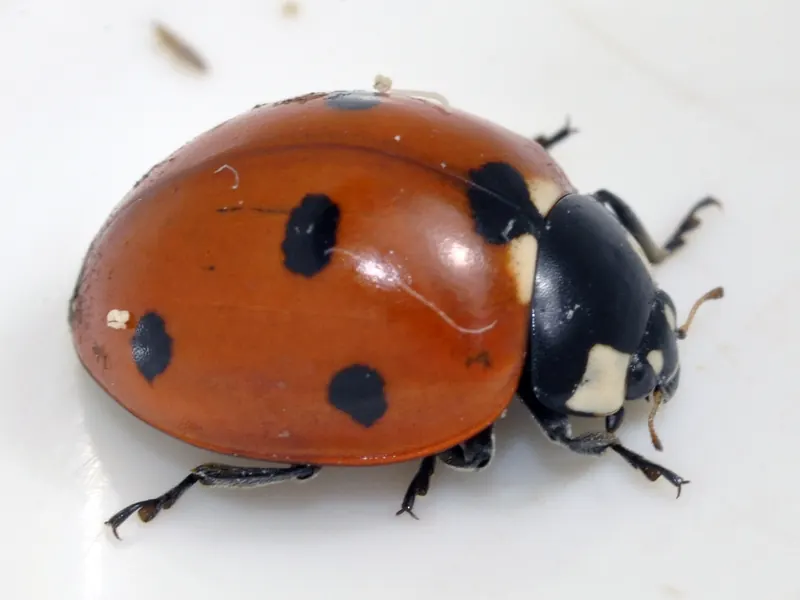
Seven-spot ladybird (Coccinella septempunctata) on a white background
Photo: Francisco Welter-Schultes · CC0 · Wikimedia Commons
Seven-spot ladybird · Coccinella septempunctata
  • The seven-spot ladybird has three black spots on each wing-case and one more where they meet: seven in all. [source]
  • Aphids are the seven-spot ladybird’s main food. [source]
  • A ladybird’s bright red-and-black pattern warns predators that it tastes bad. [source]
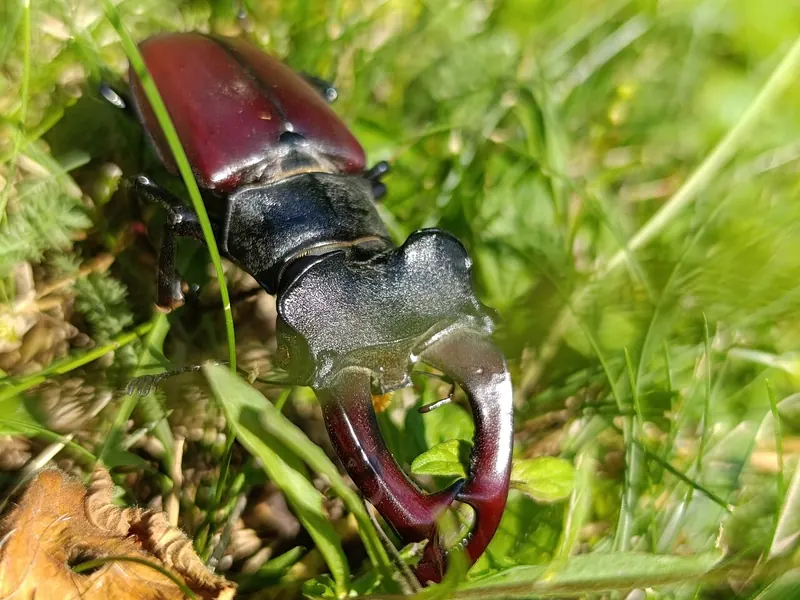
Male stag beetle (Lucanus cervus) on grass, jaws raised
Photo: Lenuče · CC0 · Wikimedia Commons
Stag beetle · Lucanus cervus
  • The stag beetle is the largest beetle in Europe. [source]
  • A male stag beetle’s huge jaws look like a stag’s antlers and are used in fights with other males, but they’re too weak to hurt you. Females can give a painful nip. [source]
  • Stag beetle larvae are blind, C-shaped grubs that feed on rotting wood. [source]
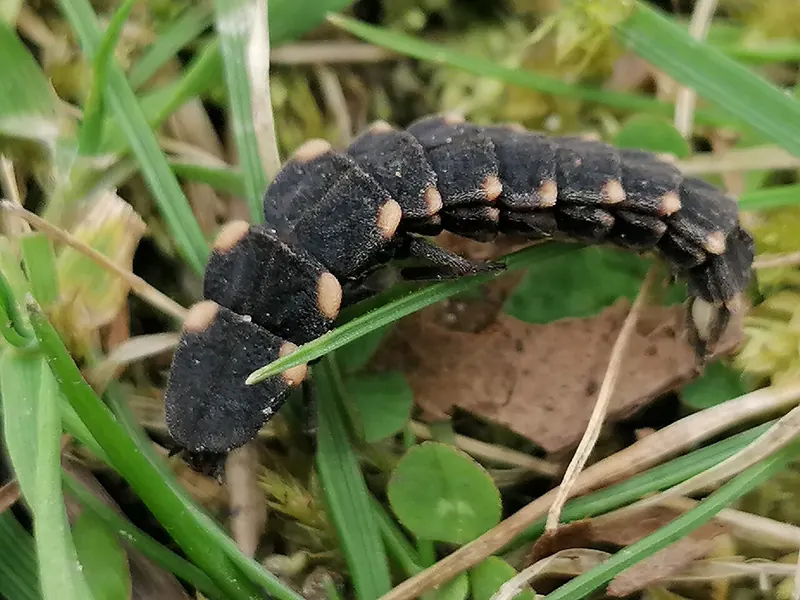
Glow-worm larva (Lampyris noctiluca) crawling through grass
Photo: Tijs Vanlaere · CC0 · Wikimedia Commons
Glow-worm (larva) · Lampyris noctiluca
  • Glow-worms aren’t worms at all. They’re beetles, and the wingless females glow to attract males. [source]
  • A 2014 study found that even low levels of light pollution can stop male glow-worms finding females. [source]
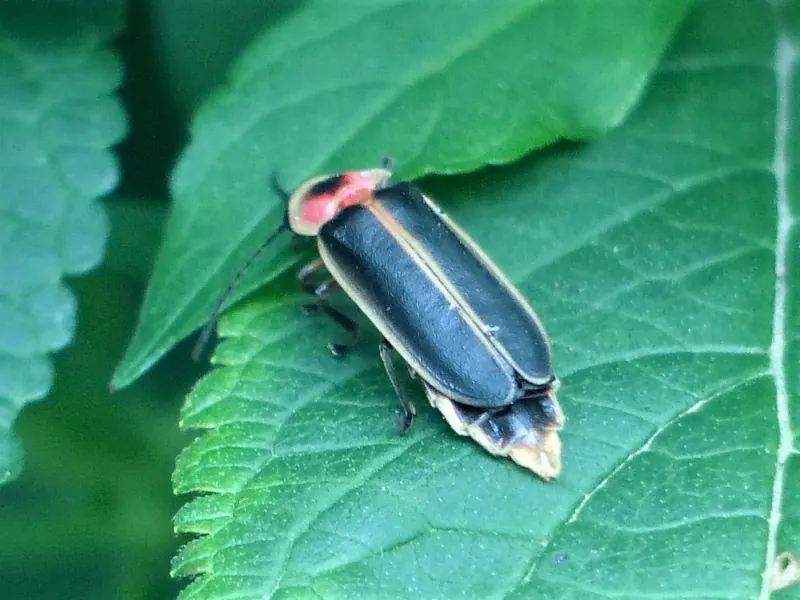
Common eastern firefly (Photinus pyralis) on a leaf
Photo: beewonder · CC0 · Wikimedia Commons
Common eastern firefly · Photinus pyralis
  • Fireflies make “cold light”, with no infrared or ultraviolet in it. [source]
  • The common eastern firefly is also called the big dipper firefly, because males flash on the upswing of a J-shaped flight. [source]
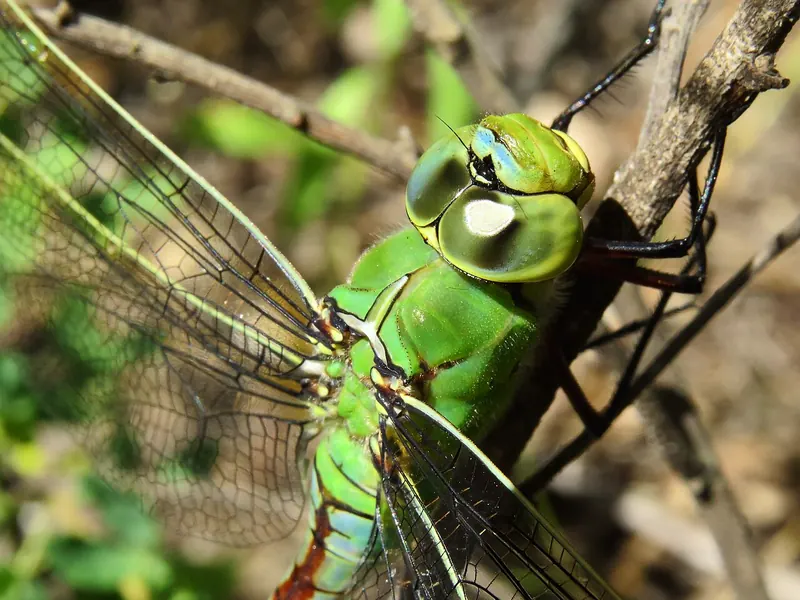
Emperor dragonfly (Anax imperator) resting on a twig
Photo: Аимаина хикари · CC0 · Wikimedia Commons
Emperor dragonfly · Anax imperator
  • The emperor dragonfly is the largest dragonfly in most of Europe, including the UK. Its average wingspan is 104 mm. [source]
  • Each of an adult dragonfly’s compound eyes has nearly 24,000 ommatidia, the tiny units that make up an insect eye. [source]
  • Dragonflies hunt as underwater nymphs as well as adults, and in some species the nymph stage lasts up to five years. [source]
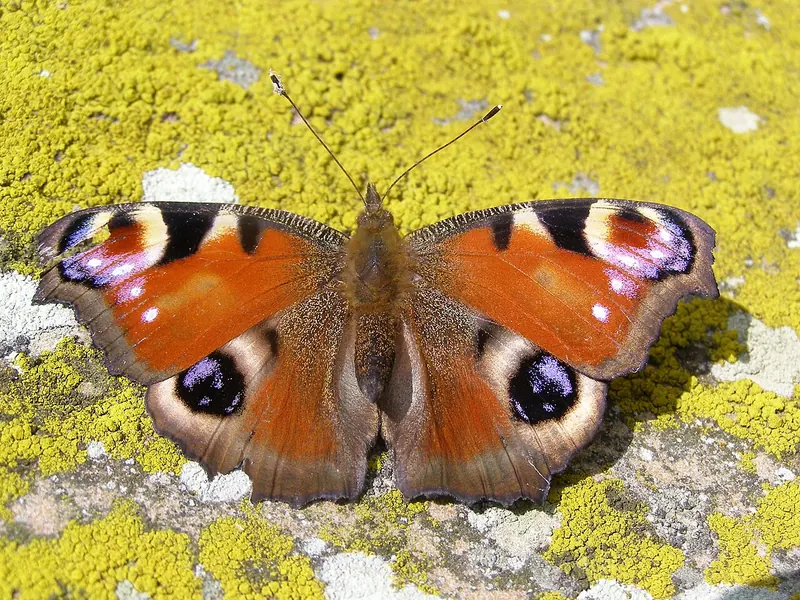
Peacock butterfly (Aglais io) with wings open on lichen
Photo: Dixonsej · Public domain · Wikimedia Commons
Peacock butterfly · Aglais io
  • A peacock butterfly fends off predators with four big eyespots, and it can also make a hissing sound. [source]
  • With its wings closed, a peacock butterfly’s dark underside looks like a dead leaf. [source]
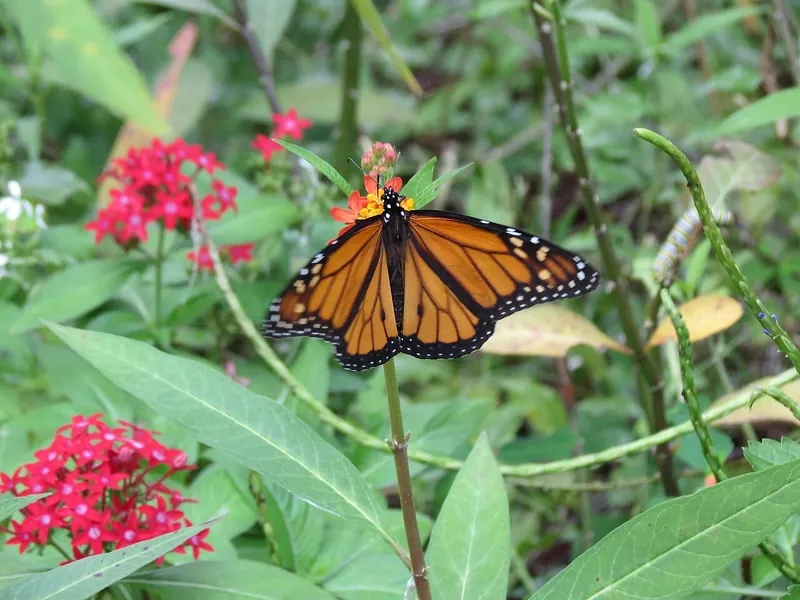
Monarch butterfly (Danaus plexippus) among red flowers in Florida
Photo: naturelibrarian · CC0 · Wikimedia Commons
Monarch butterfly · Danaus plexippus
  • Monarch butterflies in North America migrate south every autumn, covering thousands of miles to Florida and Mexico. [source]
  • Monarch caterpillars grow up on milkweed plants. Females lay their eggs one at a time, usually under a young milkweed leaf. [source]
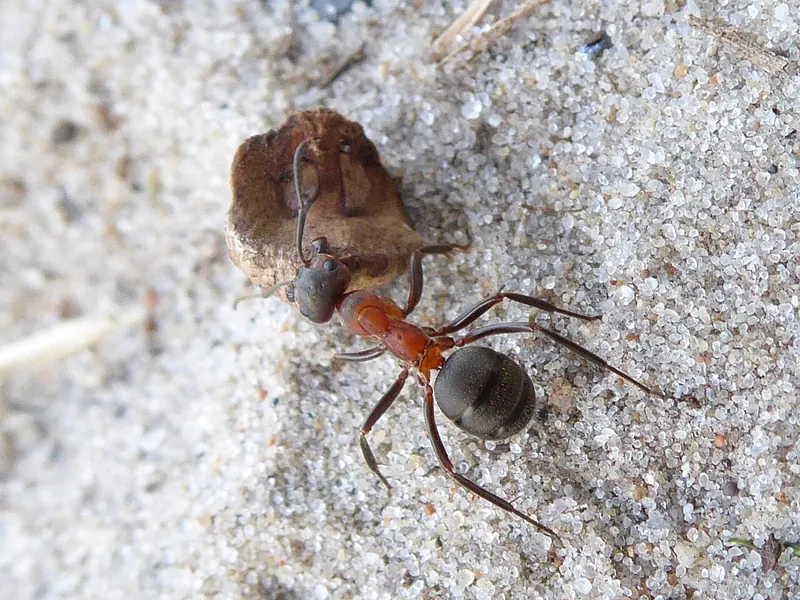
Red wood ant (Formica rufa) pushing a piece of pine wood
Photo: Rhetos · CC0 · Wikimedia Commons
Red wood ant · Formica rufa
  • Red wood ants can spray formic acid from their abdomens to defend themselves. [source]
  • Formic acid was first extracted in 1671 by the English naturalist John Ray, who distilled a large number of crushed wood ants. [source]
  • You can tell an ant by its elbowed antennae and its slender, knobbly waist. [source]
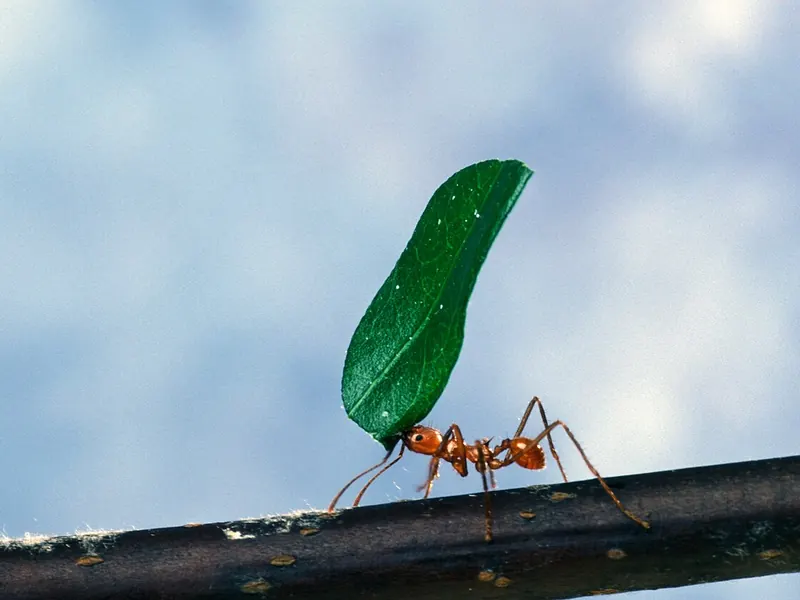
Leafcutter ant (Atta cephalotes) carrying a cut leaf along a branch
Photo: USDA (USDAgov on Flickr) · Public domain · Wikimedia Commons
Leafcutter ant · Atta cephalotes
  • Leafcutter ants carry the leaves they cut back to their nests and use them to farm fungus. [source]
  • A leafcutter ant can carry up to 50 times its own body weight. [source]
  • Griffenflies, giant dragonfly-like insects found in rocks 325 million years old, had wingspans of up to about 750 mm. They were only distant relatives of today’s dragonflies. [source]
  • Trap-jaw ants snap their jaws shut faster than any other predatory appendage in the animal kingdom. [source]
  • Formic acid was first extracted in 1671 by the English naturalist John Ray, who distilled a large number of crushed wood ants. [source]
  • Ladybirds are named after “Our Lady”, Mary, who was often painted wearing a red cloak. [source]
Drawer: Spiders and other arachnids

Spiders and other arachnids

Eight legs, no antennae, and silk.

  • Spiders belong to the arachnids, along with scorpions, ticks, mites and harvestmen. [source]
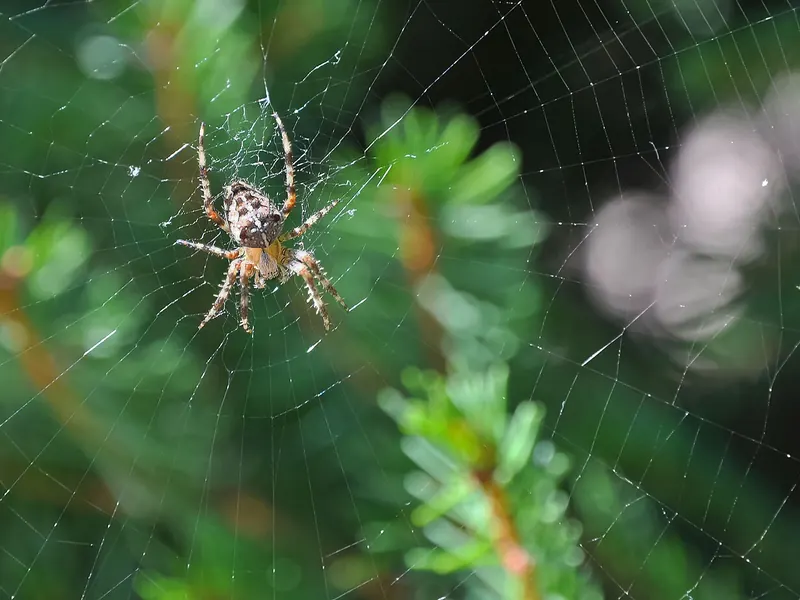
European garden spider (Araneus diadematus) in the middle of its web
Photo: André Alliot · CC0 · Wikimedia Commons
European garden spider · Araneus diadematus
  • Spiders have eight legs, fangs that can usually inject venom, and spinnerets that make silk. [source]
  • Weight for weight, spider silk is stronger than steel, and it’s tougher than both steel and Kevlar. [source]
  • Spiders have no muscles to straighten their legs. They push them out with fluid pressure instead. [source]
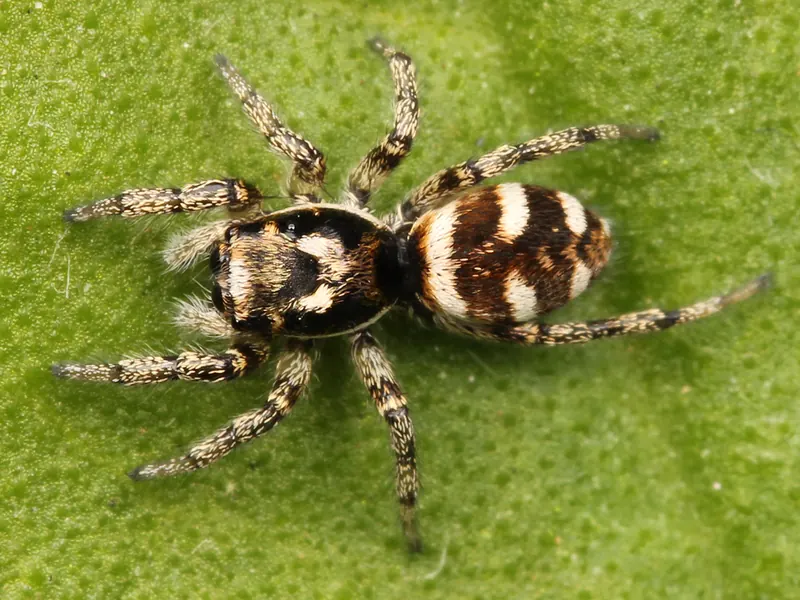
Female zebra spider (Salticus scenicus), a black-and-white jumping spider
Photo: Kaldari · CC0 · Wikimedia Commons
Zebra spider · Salticus scenicus
  • The zebra spider is a jumping spider with eight eyes, and the two at the front are especially big. [source]
  • Most spiders live for two years at most, but tarantulas can live for more than 20. [source]
Drawer: Centipedes and millipedes

Centipedes and millipedes

Lots of legs, but never quite as many as the names suggest.
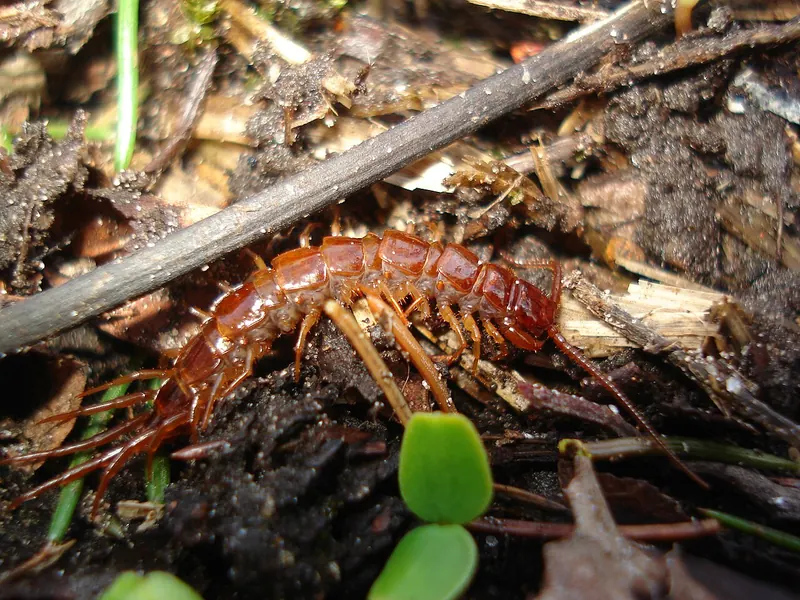
Brown centipede (Lithobius forficatus) among leaf litter
Photo: Sanja565658 · Public domain · Wikimedia Commons
Brown centipede · Lithobius forficatus
  • No centipede has exactly 100 legs. They always have an odd number of pairs, from 15 to 191. [source]
  • A centipede’s “fangs” are really its front pair of legs, changed into venomous pincers called forcipules. [source]
  • Centipedes have one pair of legs on each body segment. [source]
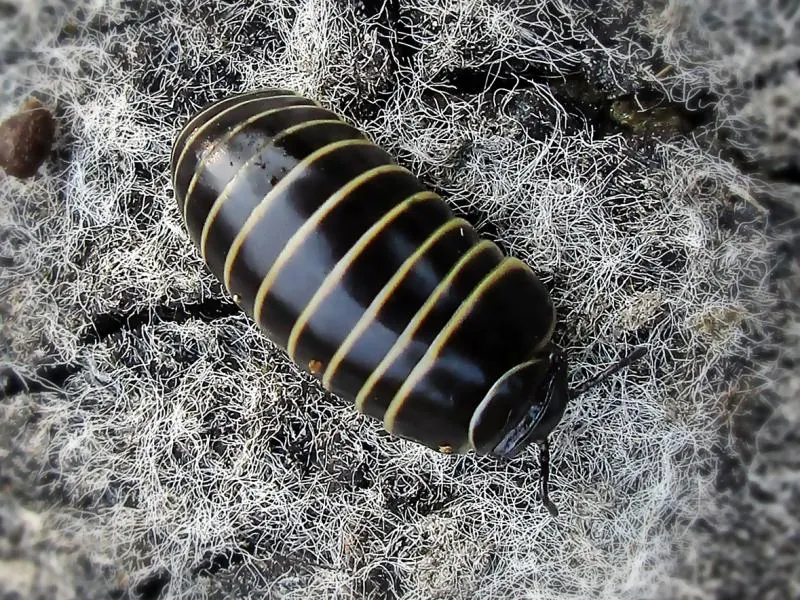
Pill millipede (Glomeris marginata) on a stone
Photo: Bj.schoenmakers · CC0 · Wikimedia Commons
Pill millipede · Glomeris marginata
  • The pill millipede rolls into a ball when disturbed, so it often gets mistaken for a pill woodlouse. [source]
  • Millipedes have two pairs of legs on most body segments. [source]
  • “Millipede” means “thousand feet”, but no millipede was known to have 1,000 legs until Eumillipes persephone was discovered in 2020, with over 1,300. [source]
Drawer: Woodlice

Woodlice

The crustaceans that moved onto land.

  • Isopods are an order of crustaceans. [source]
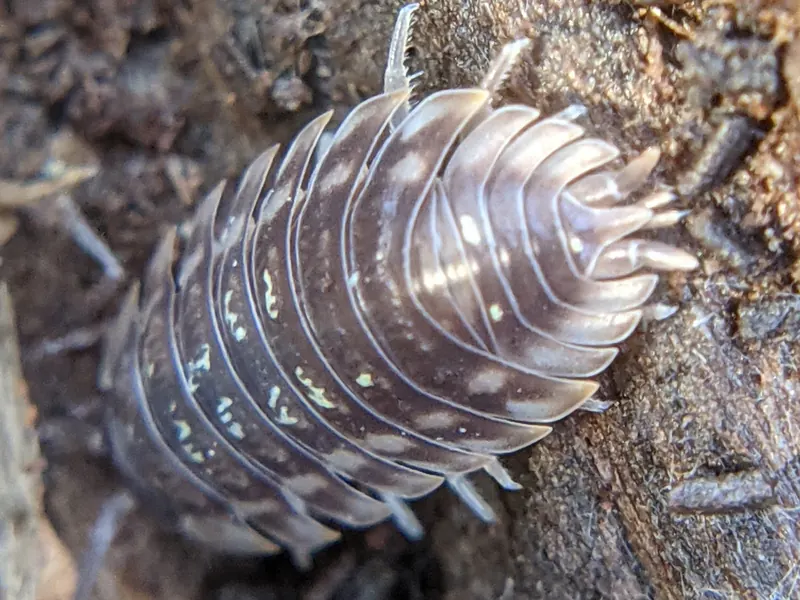
Common woodlouse (Oniscus asellus) on bark
Photo: megachile · CC0 · Wikimedia Commons
Common woodlouse · Oniscus asellus
  • Woodlice are isopods, and isopods are crustaceans, so a woodlouse is a crustacean that lives on land, not an insect. [source]
  • A woodlouse has seven pairs of legs, which makes 14 legs in total. [source]
  • Woodlice eat their own droppings to get more goodness out of tough leaf litter. [source]
  • Female woodlice carry their eggs in a pouch called a marsupium. [source]
  • Woodlice are crustaceans, and they’ve been described as tasting similar to other crustaceans. [source]
Drawer: Snails and slugs

Snails and slugs

Gastropods: molluscs that glide on one muscular foot.

  • Snails and slugs are both gastropods, a group of molluscs. [source]
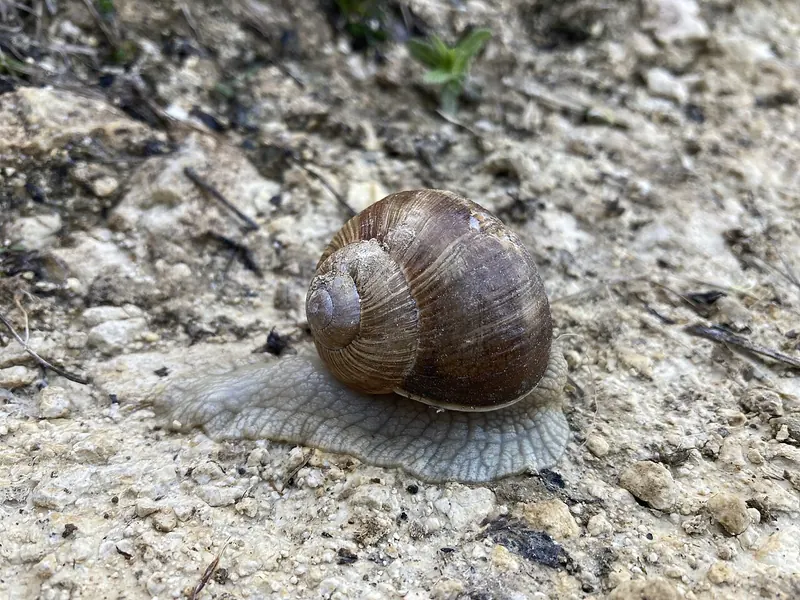
Roman snail (Helix pomatia) on bare ground
Photo: C.Farquet · CC0 · Wikimedia Commons
Roman snail · Helix pomatia
  • When it hibernates, the Roman snail can seal its shell with a chalky door called an epiphragm. [source]
  • The Roman snail’s maximum lifespan is 35 years. [source]
  • In England the Roman snail is protected under the Wildlife and Countryside Act 1981, so it’s illegal to kill, injure, collect or sell one. [source]
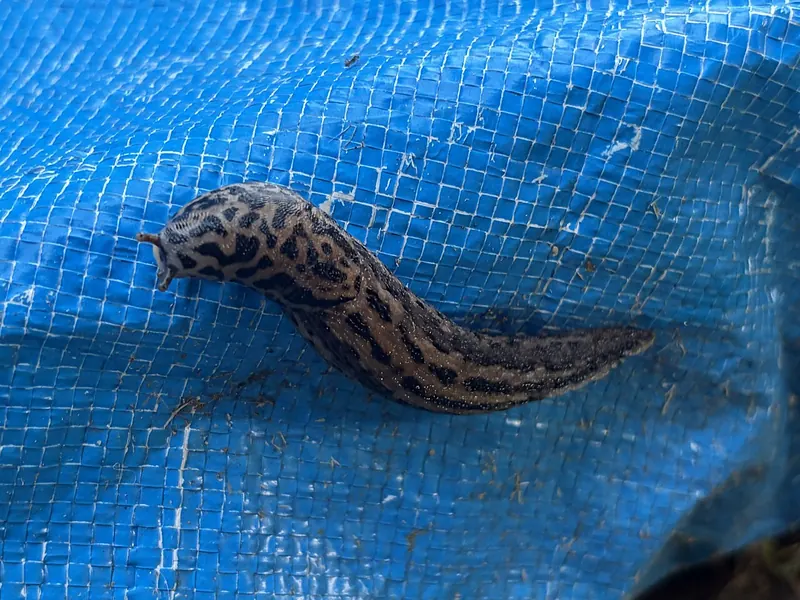
Leopard slug (Limax maximus) on a blue tarpaulin
Photo: Itsyaboipinetree · CC0 · Wikimedia Commons
Leopard slug · Limax maximus
  • Leopard slugs mate hanging in mid-air from a thick rope of slime. [source]
  • Slugs evolved from shelled ancestors many separate times, so the different slug families aren’t closely related. [source]
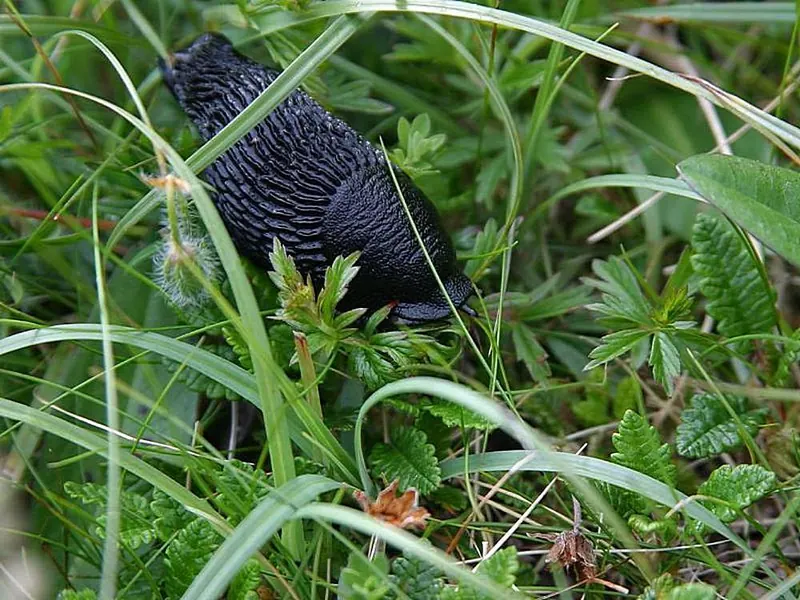
Black slug (Arion ater) in grass
Photo: Jon Sullivan · Public domain · Wikimedia Commons
Black slug · Arion ater
  • Despite its name, the black slug isn’t always black. Some adults are brown or even white. [source]
  • Most snails have a ribbon-like tongue called a radula, covered in thousands of microscopic tooth-like structures. It works like a file, rasping food into small pieces. [source]
Drawer: Earthworms

Earthworms

Segmented worms, and very good for soil.

  • Earthworms are annelids, or segmented worms, the same group as ragworms and leeches. [source]
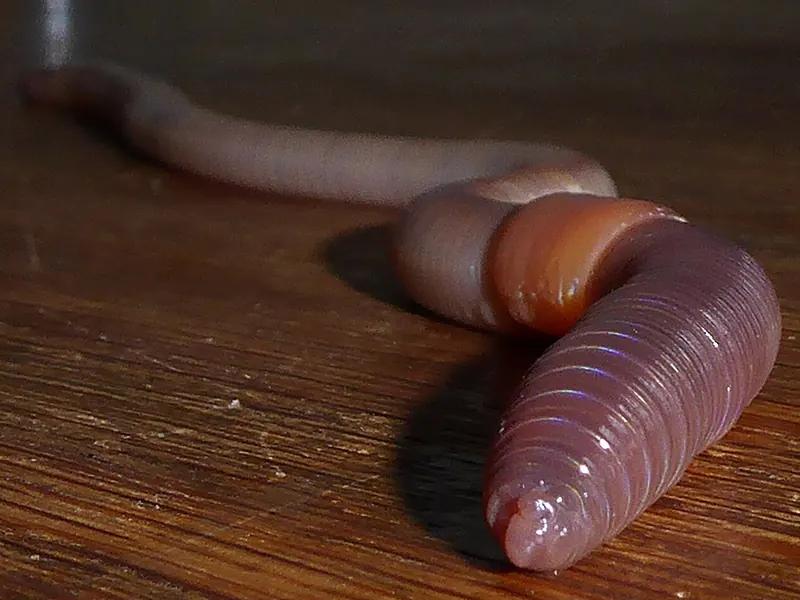
Common earthworm (Lumbricus terrestris) crossing a path
Photo: Rhetos · CC0 · Wikimedia Commons
Common earthworm · Lumbricus terrestris
  • Earthworms breathe through their skin, so it has to stay moist. [source]
  • Most earthworms are both male and female at once. When two mate, each fertilises the other’s eggs. [source]
  • Earthworms have no single heart. Paired blood vessels called aortic arches, in segments seven to eleven, do the pumping. [source]
  • In 1881 Charles Darwin wrote that few animals had “played so important a part in the history of the world” as earthworms. [source]
  • In Britain the common earthworm is also called the lob worm. In North America it’s the nightcrawler. [source]
Drawer: Water bears

Water bears

Tiny, tough and found almost everywhere.

  • Tardigrades, or water bears, are eight-legged micro-animals, usually about 0.5 mm long when fully grown. [source]
  • Tardigrades have survived exposure to outer space. [source]
  • Tardigrades were first described in 1773, by the German zoologist Johann August Ephraim Goeze. [source]